
The internet changed the animation industry

For decades, storytelling belonged mostly to books, movies and television, while videogames were often seen as simple entertainment, focused more on gameplay than narrative. Today that perception has completely changed. Some of the most emotional, thought-provoking and unforgettable stories are being told through games, not because they imitate films, but because they allow players to become part of the story itself. I think that's what makes videogames such a unique storytelling medium, instead of simply watching a character make difficult decisions, we make them ourselves. Our choices, curiosity and actions become part of the narrative, creating an emotional connection that other forms of media often struggle to achieve.
One of the best examples I can think of is Undertale. Created almost entirely by Toby Fox, at first glance, it looks like a simple retro RPG, but it completely challenges the players' expectations. Rather than encouraging combat, the game allows players to solve conflicts peacefully, and it remembers the decisions they make, even across multiple playthroughs. The games famous “Pacifist” and “Genocide” route demonstrates how player choices can dramatically change not only the ending but also the worlds perception of the player. It proves that gameplay itself could become part of the storytelling.
Toby Fox expanded this idea with Deltarune, a project that continues exploring themes of destiny, free will, and the illusion of choice. While the game often tells players that "your choices don't matter," it constantly invites them to question whether that's actually true. Rather than delivering a straightforward narrative, Deltarune encourages players to interpret events, search for hidden details, and form theories together as a community. This collaborative storytelling has become one of the game's defining features.
Choice-driven storytelling reached another level with Life is Strange. Developed by DON'T NOD, the game combines branching dialogue with the ability to rewind time, forcing players to think carefully about every decision they make. Instead of rewarding "perfect" choices, the game emphasizes that every action has consequences, many of which cannot be completely undone. According to the developers, player choice and emotional storytelling were central pillars of the game's design philosophy.
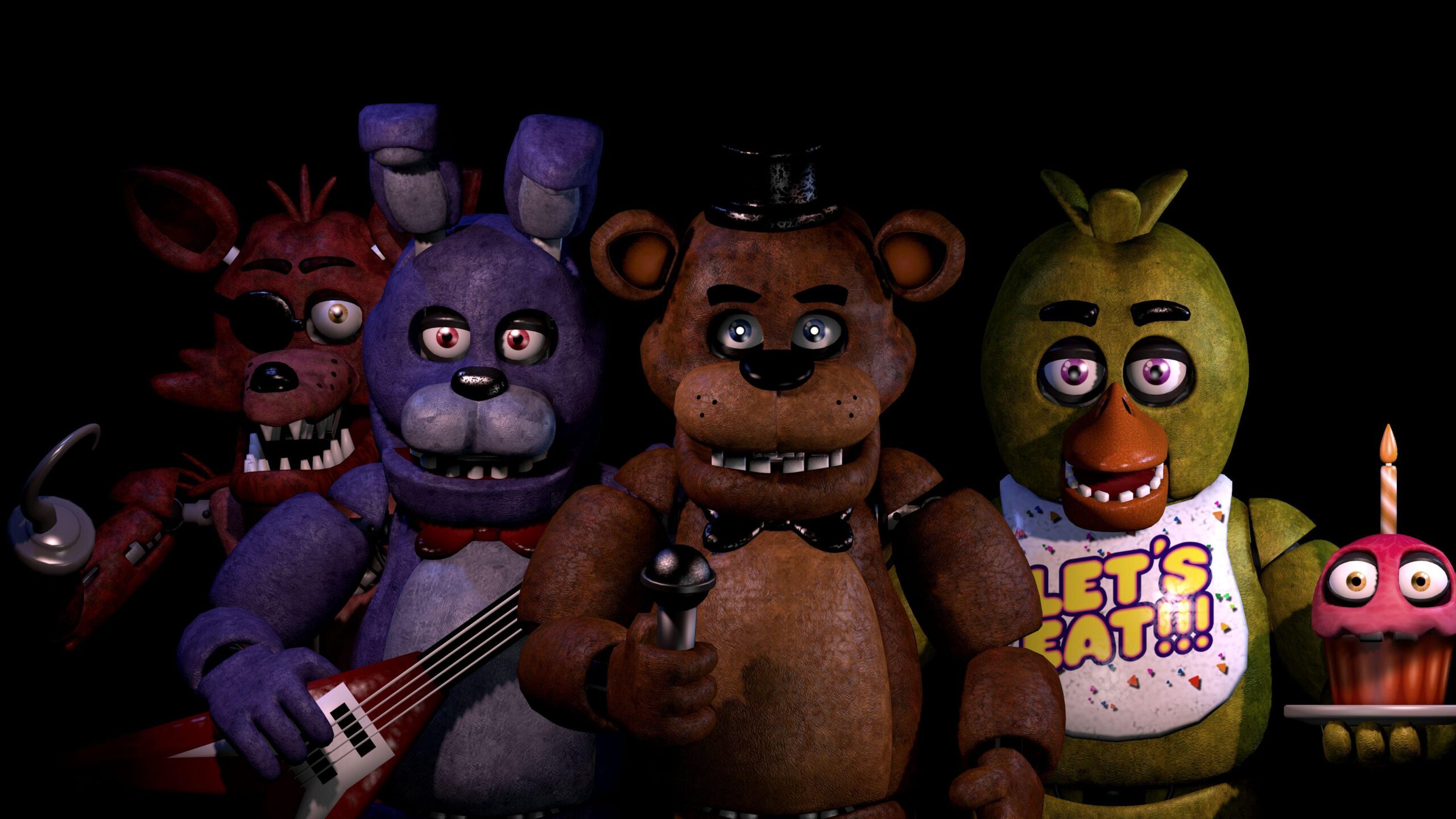
On the other hand, Five Nights at Freddy's demonstrated that a compelling story doesn't always need lengthy cutscenes. Much of its narrative is hidden in newspaper clippings, phone calls, environmental details, and cryptic mini-games. As a result, the community itself became part of the storytelling process, spending years analyzing clues, creating theories, and piecing together the timeline. In many ways, the fandom helped shape how the story was experienced. Another remarkable example is Fran Bow, an independent psychological horror game developed by Killmonday Games. Through its hand-drawn art style and surreal environments, the game explores themes such as trauma, grief, and mental illness from the perspective of a young girl. Rather than relying on jump scares, it uses symbolism and environmental storytelling to create an emotionally unsettling experience that stays with players long after they finish the game. I believe these games represent something much bigger than entertainment. They show that video games have evolved into one of the most powerful storytelling mediums of our time. Unlike films or novels, games invite us to participate rather than simply observe. They allow us to influence events, discover hidden narratives, and even discuss interpretations with entire communities.
As technology continues to evolve, I think we'll see even more stories that can only exist in interactive form. Games like Undertale, Deltarune, Life is Strange, Five Nights at Freddy's, and Fran Bow remind us that the future of storytelling isn't just about watching a story unfold. but living it.
Personally, I believe this has been one of the most significant changes the animation industry has ever experienced. Thanks to the internet, there are now more voices, more artistic styles, and more creative freedom than ever before. Major studios still play an important role, but they are no longer the only ones capable of producing unforgettable stories. Today, a great idea, combined with talent and a community willing to support it, can reach the entire world with just a few clicks. And perhaps that is the greatest gift the internet had given to the world of animation